

Meet the Team

Cheyenne Cambri
-
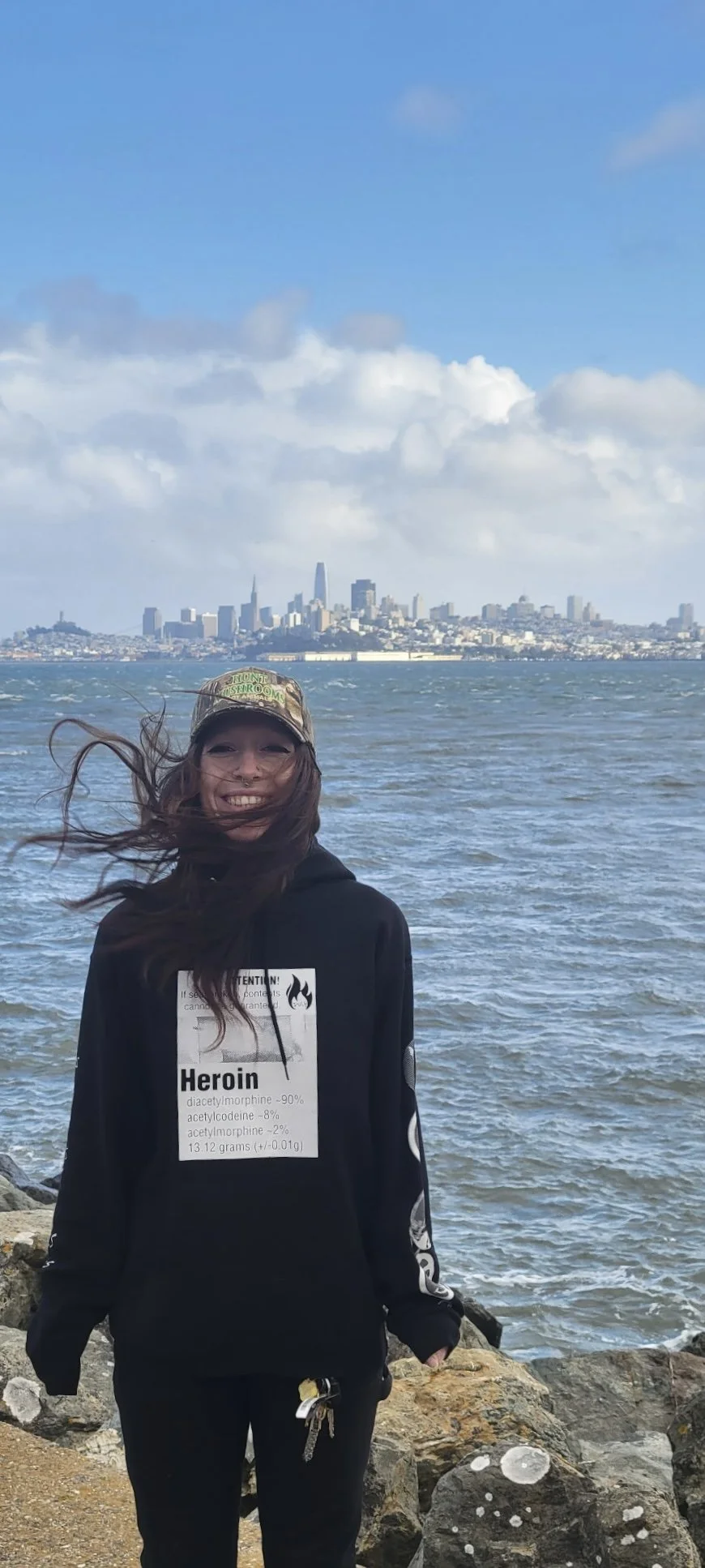
Cheyenne Cambri (Comanche, Italian, Mexican Indigenous) is a harm reductionist from the Bay Area; growing up on Coast Miwok lands and now living on Ramaytush lands. Cheyenne was first introduced to the concept of harm reduction by way of an outreach worker who treated them with the dignity, respect, and unconditional care that they were missing while they were engaged in chronic drug use and living on the streets. They currently manage a harm reduction program at Safer Together, and spend many of their non-working hours using their own experiences of homelessness, incarceration, and substance use to help others who are struggling with or recovering from the same things. They are a writer on topics such as drug use and recovery, overdose death and grief, and the importance of spiritual community and culture in healing. They love to spend their time traveling, seeing live music, camping, and volunteering at animal sanctuaries.
Marnie Scow
-
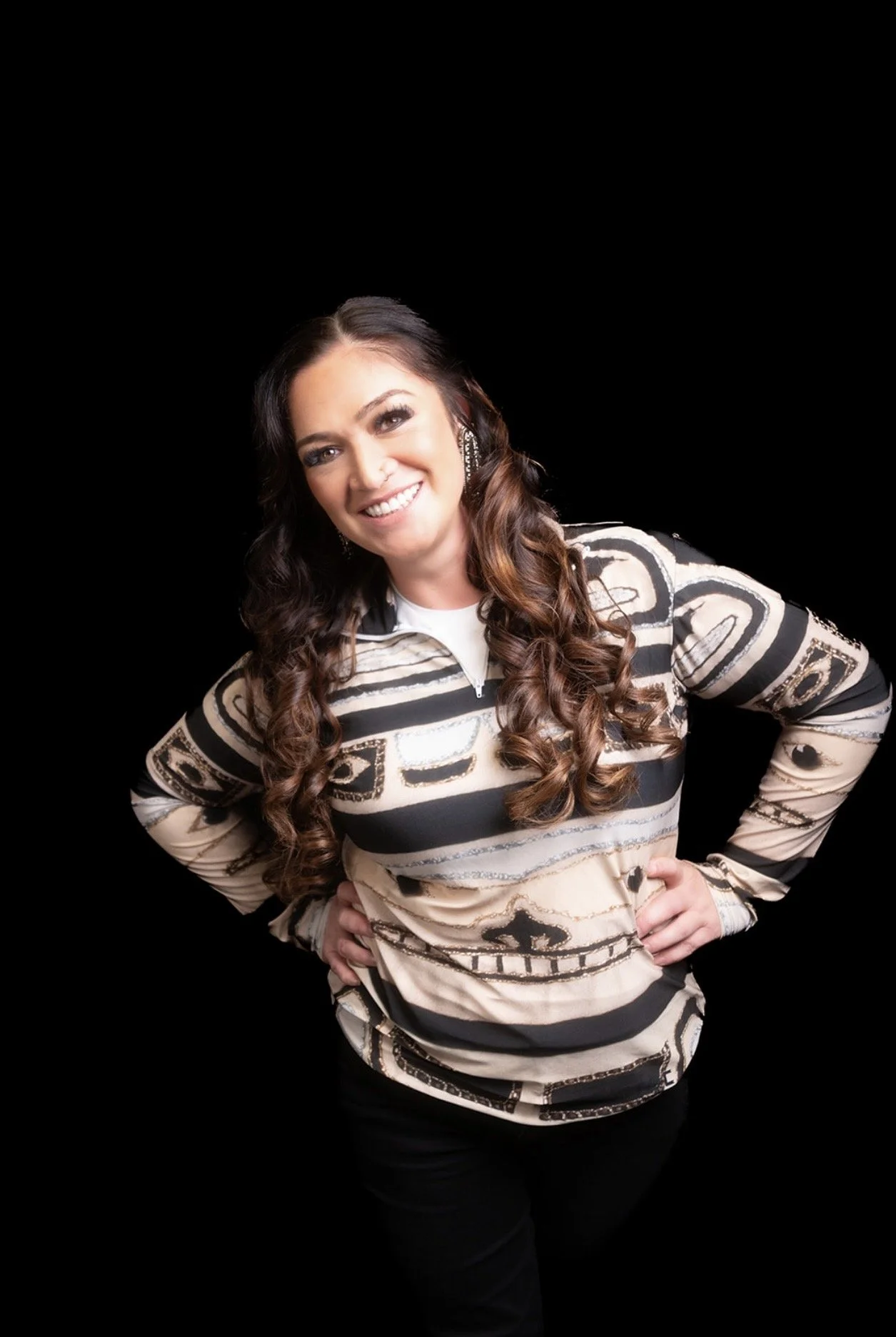
Marnie Scow is of Kwagu’ł (Kwakiutl), ‘Namgis, and Haíłzaqv (Heiltsuk) descent on her father’s side, with mixed ancestry of Scottish, Swiss, and reclaiming familial ties to Soda Creek & Squamish on her mother’s side. She plays many roles in the community, including auntie, sister, cousin, athlete, coach, and advocate.
Marnie has called the unceded, never ceded, stolen & ancestral territories of the Musqueam (xʷməθkʷəy̓əm), Squamish (Sḵwx̱wú7mesh), and Tsleil-Waututh (səlilwətaɬ) a home away from home for over half her life, creating strong relationships, memories and has experienced personal growth and healing.
With close to twenty years of experience working in Public Health, Research, and within Vancouver’s Downtown Eastside (DTES). Her community expertise is geared towards Indigenous cultural safety, meaningful peer engagement, Decolonizing substance use & Indigenous harm reduction. Marnie studied Criminology in her undergrad and is currently in her last year of her Master of Public Health at the University of British Columbia.
Marnie’s work is dedicated to educating and transforming colonial systems within Western institutions by integrating traditional Indigenous teachings with contemporary practices. She is committed to cultural safety, equity, and decolonizing approaches within public health, education, legal systems, substance use, research, and sports.
While she isn’t working, Marnie can often be found playing professional softball across Turtle Island, playing or coaching basketball with “All My Relations” – an Indigenous Women’s basketball team based in East Vancouver – or spending time with her rescue dog Amelia.
Adrienne Leddy
-
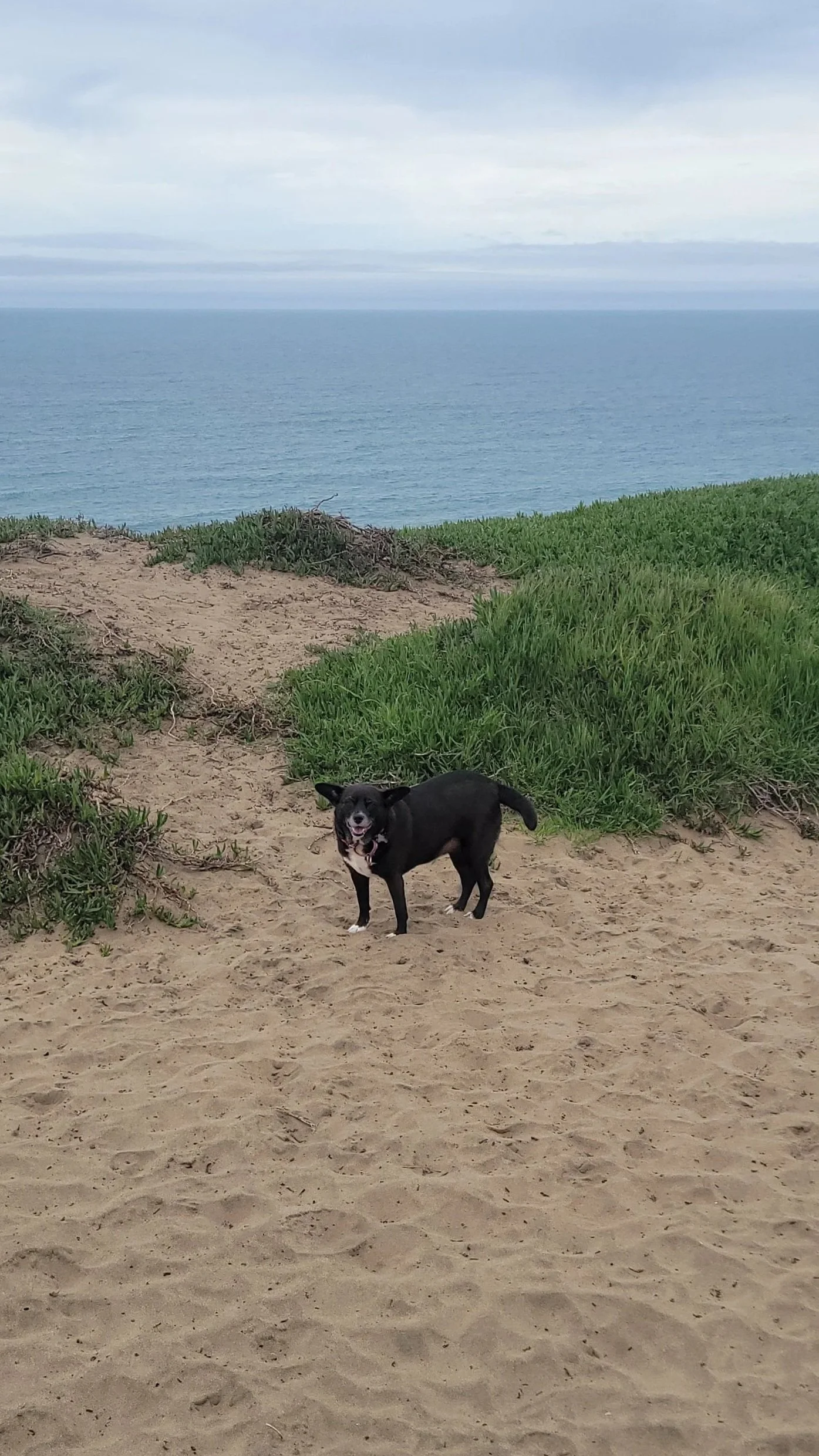
Adrienne Leddy (Chamorro) is an Indigenous harm reduction worker born and raised in Yelamu (San Francisco). They are rooted in years of lived experience, and found their footing on their healing journey in community and the cultural harm reduction principles which helped save their life. They've worked at syringe access sites in San Francisco, city-wide naloxone distribution, and currently work as the Harm Reduction Program Coordinator at the California Consortium for Urban Indian Health (CCUIH). Outside of work, they are passionate about linocut printmaking, studying herbal medicine, cuddling their dog (pictured!), and learning magic tricks. In their work with CCUIH, they’ve focused on overdose prevention and naloxone distribution; developing public health education materials; and facilitating harm reduction learning spaces like the 2025 California Native Harm Reduction Summit.
Arlene Brown
-
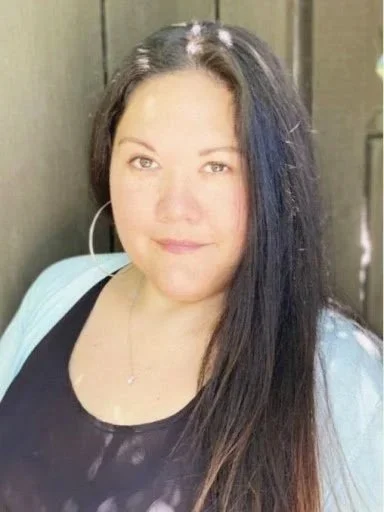
Arlene Brown (Bishop Paiute Tribe) is the founder and CEO of Crossroads Recovery Center and Skoden Native Harm Reduction Services, the first California state-certified harm reduction program specifically created for Native people. With over 18 years of experience in organizational leadership, community outreach, and education for tribal communities, she is a recognized subject matter expert in Indigenous harm reduction and the creator of the Native Harm Reduction Toolkit for the National Harm Reduction Coalition.
Ms. Brown serves as a subject matter expert on Indigenous addiction treatment in emergency departments and clinics and previously held the role of Tribal Training and Technical Assistance Specialist at KAI, supporting statewide initiatives to enhance opioid and methamphetamine treatment for urban Indian and tribal communities. Her expertise spans life-saving overdose prevention and response services, culturally responsive care, medication-assisted treatment (MAT), historical trauma, and the integration of tribal best practices into substance use disorder (SUD) treatment.
She is also the creator of the Wellness Journey, a culturally grounded program designed to engage and support individuals with substance use, reduce isolation, and build connection to tribal community and culture. Ms. Brown has been recognized for her innovative work in the field, receiving the AMERSA 2023 Best Workshop Award and the 2025 Seeds of Sovereignty Award for “Rooting Harm Reduction in Cultural Power”; highlighting her leadership in culturally grounded approaches to overdose prevention and tribal wellness.
Albert titman Sr.
-
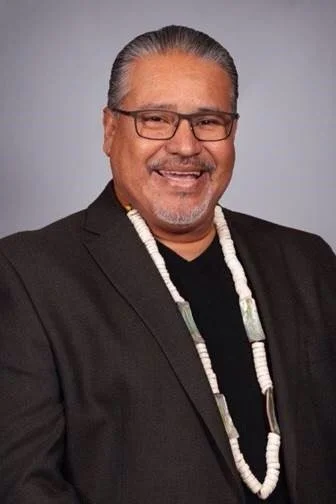
Albert G. Titman (Nisenan/Miwok/Maidu/Pit River) CADCII is the Deputy Director for the Native Dads Network and formerly Associate Director of Cultural Integration and Development at Sprenger behavioral Medicine for the TeleWell Indian Health MAT project. He is a Registered Addiction Specialist through the Breining Institute of CA and a State Board CCAPP Certified Alcohol and Drug Abuse Counselor CADC II. He also provides alcohol/drug abuse assessments, diagnosis, and treatment to individuals, couples, families, and groups to achieve more satisfying and productive marriage, family, and social adjustment. He enjoys Miwok traditional ceremonial singing and dancing and cooking for his family.
Albert provides culturally sensitive services and is blessed with the opportunity to incorporate Native American wellness modalities in his work. He is currently a trainer for White Bison’s Wellbriety Training Institute, and has over 18 years experience in implementing the Medicine Wheel & 12 Steps program in his community.