Section 1
IN THIS LESSON
An exploration of cultural harm reduction approaches.
Each community, culture, and region view and experience harm reduction principles differently. It’s important to center your understanding of this work through the cultural lens rooted in your own traditions and your area. The different models of collective care this program is grounded in span topics and may look quite different than the efforts led by non-Native communities. While community models of care and cultural models of care are often overlapped, we separated them as two categories.
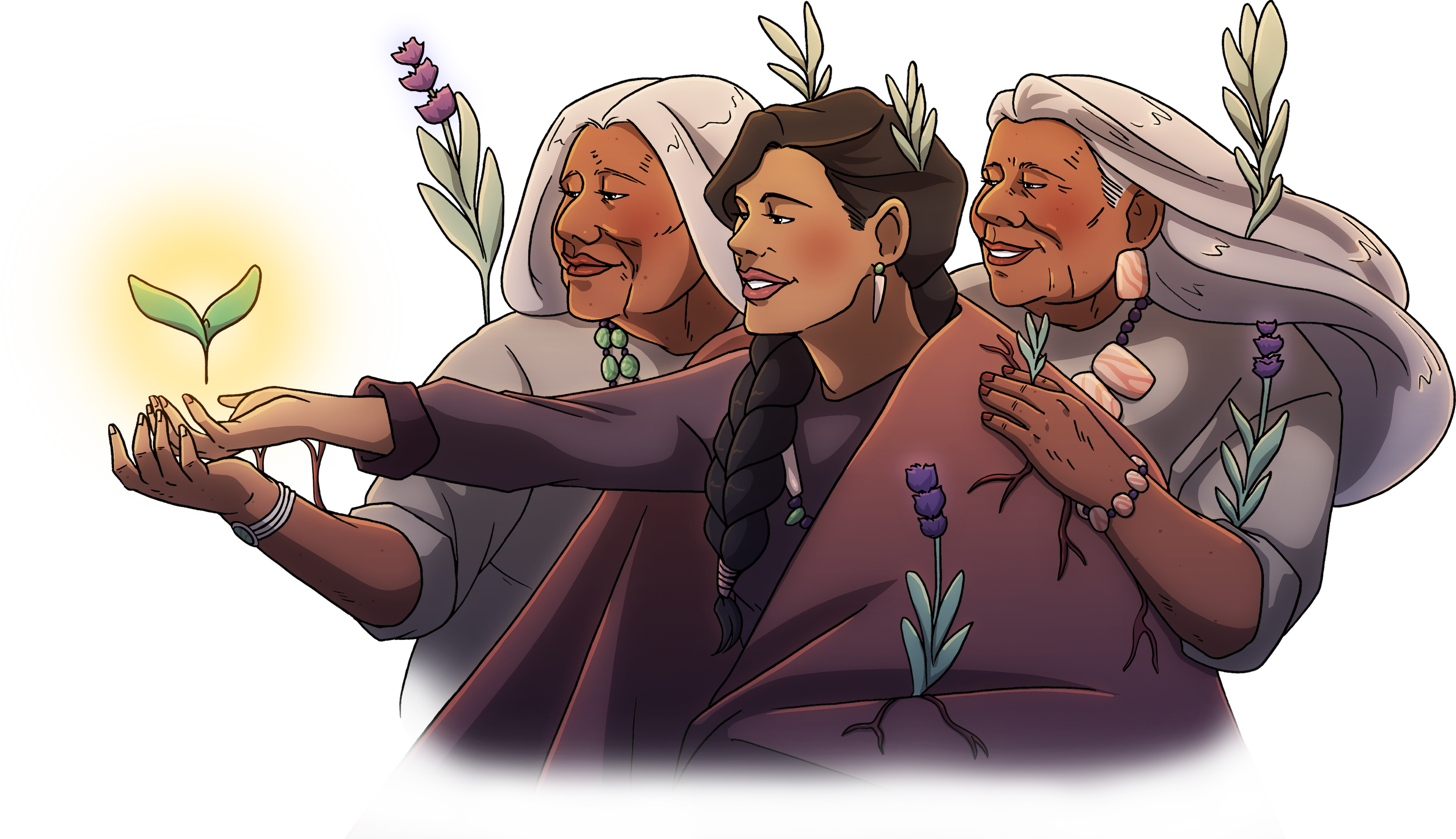
Community Models
Community Models of Care are person-centered, relationship-based approaches that recognize healing and wellness occur within the context of family, culture, community, and lived experience. These models emphasize meeting people where they are, reducing barriers to services, and honoring the dignity, autonomy, and self-determination of individuals who use drugs.
Community-based approaches often extend beyond traditional clinical settings and may include outreach in neighborhoods, tribal communities, encampments, hospitals, community centers, recovery residences, and other places where people naturally gather. Services are designed to be low-barrier, culturally responsive, and accessible to individuals regardless of where they are in their substance use or recovery journey.
Key elements of Community Models of Care include:
Overdose prevention and care for people who use drugs
Peer-led and lived-experience leadership
Outreach and engagement services
Culturally responsive and community-defined practices
Linkage to healthcare, treatment, housing, and social services
Recovery support services
Family and community engagement
Respect for individual goals and choices

Indigenous Models
Indigenous Community Models of Care are focused on cultural ways. For many tribal communities, healing is rooted in culture, identity, spirituality, family, and connection to community. Indigenous Community Models of Care recognize the impacts of historical trauma, colonization, and systemic inequities while building upon cultural strengths and resilience.
Key components of Indigenous Models of Care may include:
Traditional ceremonies
Sweat lodges
Talking circles
Traditional foods and medicines
Tribal language revitalization
Cultural mentorship
Equine-assisted healing
Welcome Home Ceremonies
Elder involvement
Intergenerational learning
Land-based healing activities
These practices can strengthen cultural identity, belonging, and community connection, which are important protective factors against substance misuse and overdose.
Community Models of Care are effective because they build trust, foster belonging, reduce stigma, and create multiple pathways for individuals to access support, treatment, recovery, and healing. They recognize that every person’s journey is unique and that communities themselves are often best positioned to identify solutions that meet local needs.