Section 3
IN THIS LESSON
“subpopulations”… members of our community who might benefit from special care!
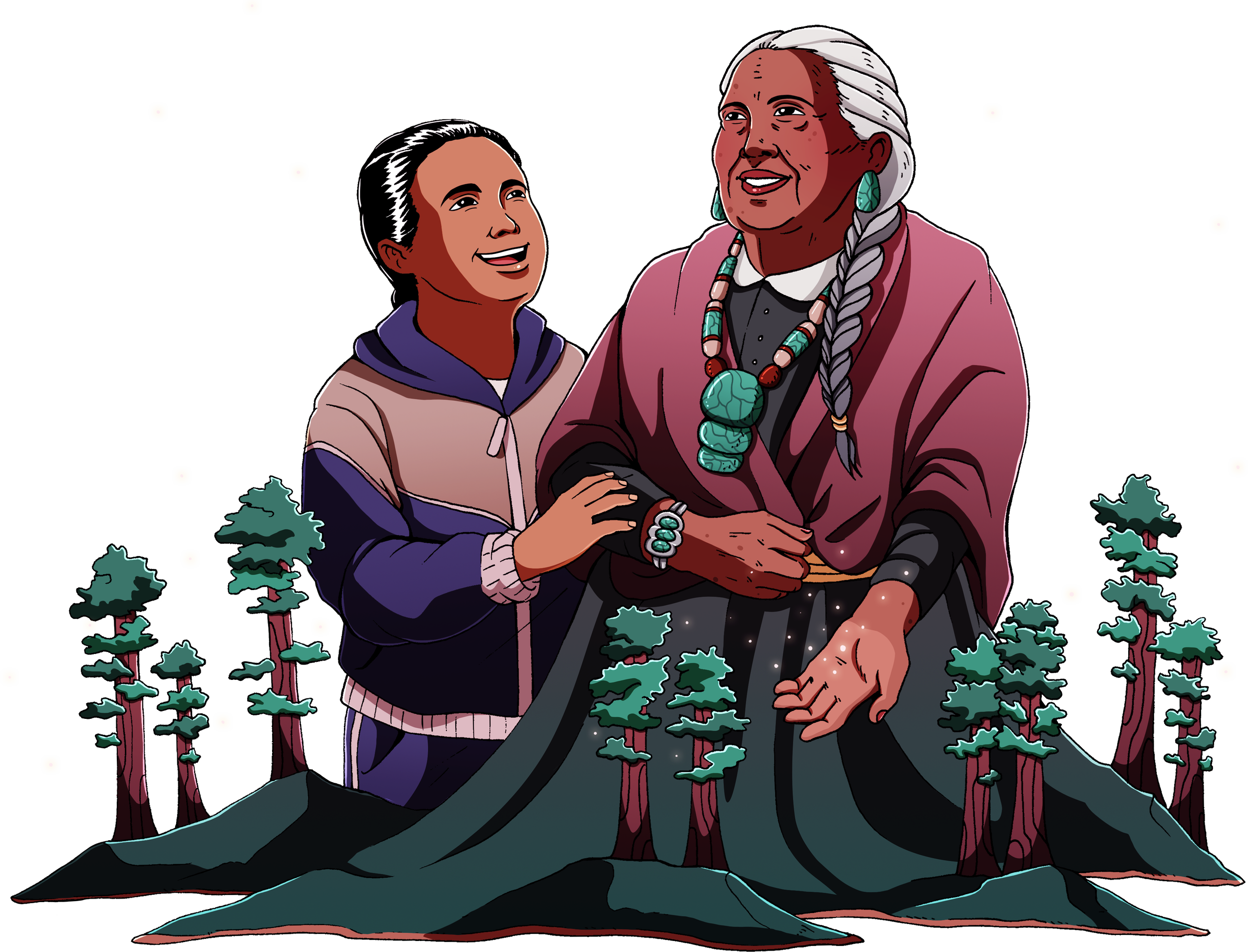
While the sections we developed are applicable to all of our community members, there are a few special groups who might benefit from consideration. Youth and Elders are among our most precious community members and there are aspects that can make our spaces more reflective of their experiences.
Engaging Youth and Elders into services also means empowering these community members at all levels of your work. Asking them to be involved in decision-making, developing councils where they can help guide your programming, and providing stipends for people’s work and expertise in offering suggestions can empower Youth and Elders to make effective and supportive changes to your entire project, while supporting their growth too!
Youth

Youth services focus on the needs or beneficial aspects that make youth’s experiences more effective and engaging. While every youth program looks different and might cater to a different kind of crowd, a few methods of engaging youth include: just-for-fun activities; cultural workshops and teachings; homework tutoring or after-school activities; and social events where kids can get to know each other better.
-
Just-for-fun Activities include anything from painting and art supplies, to music production, to field trips, to movie nights. These are any activities that incentivize kids to come out and have fun, making it more likely for them to come back for other events. Once youth become involved in the community and have a social circle at your program, it can make it easier for them to stay engaged for the long haul.
-
Cultural Workshops are any programs that focus on cultural knowledge or teachings. This can include basketweaving, powwow dance class, clapper sticks, traditional storytelling, medicine harvesting or processing, and spending time with elders. Making cultural knowledge and practices easy, accessible, and fun for our community from a young age is one of the strongest protective health factors. Cultural workshops or activities keep youth engaged not only in general health services but also empowers them to engage in their culture and larger community.
-
Homework Tutoring programs are a way to meet the educational needs of students and wrap cultural care around the school system. Students may be experiencing difficulties in school ranging from bullying, teachers with anti-Native attitudes or lesson plans, to general social difficulties. The standard school system can be a challenging place for Native students to thrive as their authentic selves. Homework or after-school programs can be safe places for kids to learn in a Native environment, while also offering a structure or routine which can support their emotional wellness.
-
Social Events can be incorporated into any of the services above, but are any activities or events which focus on encouraging students to get to know each other and build healthy community. This can include low-pressure team sports, social “mixers”, camping trips, Gathering of Native Americans [GONA] programming, and things like board games. Making friends can be challenging, especially for kids who are shy or who may have certain trauma responses. Guided, healthy social events can be an important resource for youth to be able to build friendships and come out of their shell.
Elders
The unique needs of elders can be more structural than socio-emotional in the way youth services may be, but that doesn’t mean that elder services can’t be fun and engaging in similar ways. Elders have a special blend of experiences and needs where they have years of knowledge and learning to share with younger generations, while having greater accessibility needs. Examples of successful elder services include improving events transportation and accessibility, grocery and meal deliveries, fun social events, and intergenerational programming.
-
Events Transportation and Accessibility means addressing the barriers to attending events. This might look like coordinating a bus to pick up elders for community events, making sure events have hard-of-hearing options, having building spaces be physically accessible for all ability types, and ensuring elders have things like transportation stipends and/or chaperones if they have to take public transit or walk.
-
Grocery and Meal Service are options that can make daily living and planning much easier for elders, who can have difficulties getting groceries or preparing meals themselves. While most of our elders have family support, family members tend to work during the day or are managing other areas of life, making elder care more difficult. Grocery and meal deliveries are a way to bring food directly to them, taking a big task off the entire family’s plate and increasing access to nutritious and/or cultural foods. Food is medicine!
-
Social Events are very important for our elder populations. Many elders deal with isolation being at home, and often are carrying the grief of losing family members as they age. Social events keep elders involved in the community and able to connect with others who may have similar life experiences. Social events for elders can include bingo nights, elder talking circles, and open craft-making circles.
-
Intergenerational Programming includes any services which engage youth and elders together. For elders who hold knowledge but sometimes don’t have younger generations to share it with, it can be very healing to have intergenerational spaces. Ideas for programming can include youth-to-elder tech tutoring and inviting elders to speak at youth circles.