Section 3

What is Outreach?
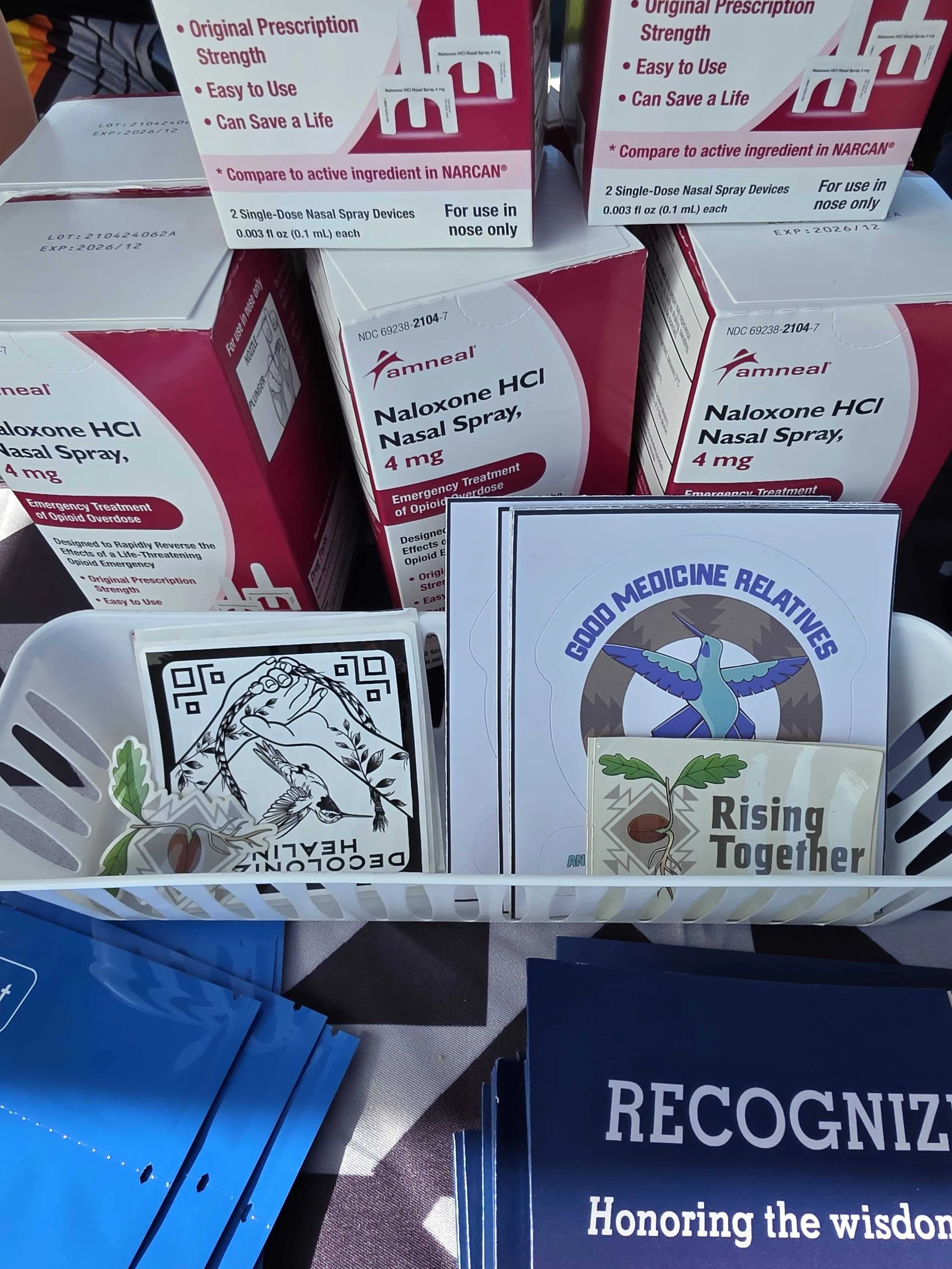
Outreach is a strategy of bringing supplies directly to the people who need them, rather than offering them at a fixed location. Outreach is an excellent strategy for newer programs to build relationships and trust, and for programs of all ages to be able to serve people who may not otherwise have access to care.
Outreach looks like meeting people where they’re at, reducing barriers to accessing care, providing support where it’s sometimes most needed, and developing lasting community connections.

There are many styles, examples, and successes in outreach that can help inspire or conceptualize your own approach. The similarities across all of these is consistency and trust. To build relationships with the community goes beyond just handing out supplies: getting to know people, showing up in a predictable or consistent way, and becoming a reliable resource are ways that lead to successful outcomes. Here are a few of the methods that you might be interested in for an outreach plan:
Examples of Outreach
-
A mobile outreach van, or “out of the trunk”, is a way of carrying bulk supplies and reaching multiple encampments. This is particularly helpful for rural environments because of how spaced apart people may be, or in areas where people are more scattered. Mobile outreach vans can also serve as a portable office area where people are able to access more private services such as meeting with health providers. Benefits of the vehicle option include being able to mobilize quickly, having a private environment if you’re able to create a pop-up area or having a walk-in van, and having greater capacity for carrying supplies. Considerations include cost of purchasing a vehicle, maintenance, gas, and liability for drivers. Some organizations work out of personal cars, but this also needs special considerations related to liability.
-
Walking paths are generally the most cost-effective and accessible ways of doing outreach. Walking paths often cover a small section of area nearby a staging or storage area, such as the immediate 2 block radius outside of a clinic. This strategy might work best in an urban environment because of how concentrated people may be, but rural areas also many have sections of higher concentrated need where walking can be effective. Generally, walking outreach includes a pull-wagon where supplies can be organized and more effectively carried. Benefits of walking outreach include being very affordable and easy to DIY, not having to coordinate as many external supplies like a van or table, and being able to head home directly from outreach at the end of a shift. Considerations include having a low carrying capacity, not having a “station” area where people can have care in privacy, physical exertion of the outreach staff, and not being able to cover as much distance.
-
A fixed site is an outreach equivalent to a “pop-up”, where you make a temporary service station. Fixed sites tend to be at locations near a concentration of people in need of services, such as in a populated corridor or outside of an SRO housing unit. A fixed site is an “in-between” method compared to the mobile outreach van and walking path methods in regards to equipment needed and usability for both urban and rural environments.

Initiating Outreach: Locality
Successful outreach programs are those who are responsive and reflective of their community’s needs. With any programming or care network, the most important factor is to accurately reflect the priorities of those they intend to serve. When it comes to outreach, there are a few place-based considerations to get started:
Rural Programs
-
Finding people can be more difficult in a rural environment because there often isnt a hub of community members like in most urban environments. People may be more “tucked away” in hard-to-find places for safety purposes, which makes finding people in a rural setting more reliant on community connections. Building trust with people through regular brick-and-mortar programming means you can learn directly from the people using your services where pockets of people without services may be. Keeping your ear to the ground can be the biggest factor of success in rural outreach.
-
Community stigma in a rural or small town environment can provide larger barriers than in an urban environment. Because each voice is more amplified in a smaller community, stigmas can carry louder and have more direct impacts towards people. Addressing stigma by building connections or having conversations with people on the fence about things can be effective for building up buy-in for services. If applicable to your area, working directly with tribal leadership is another way to develop more community buy-in if stigmas are present.
-
Service distance and gaps are far greater in rural environments, where resources like clinics or hospitals can be upwards of an hour away. Taking inventory of what’s available, and also seeing what skills people in your community do have, can help you establish a resource list that you can reference as you go. This also means that outreach in a rural community can be even more impactful – when people have geographical barriers that make accessing things like wound care more difficult, being the resource that not only starts to offer it but brings it directly to them can bring greater trust and be more responsive to people’s needs.
Urban Programs
-
Sweeps refers to policies which functionally make being homeless illegal. While an encampment sweep is city workers or police forcing people to move themselves and their belongings, other related topics include the criminalization of tents or RV campers and implementation of architecture which makes it impossible for people to sleep or rest [such as cement spikes or handle bars on benches].
-
Theft of people’s belongings is often done by authorities who are conducting encampment sweeps, through dumping large quantities of people’s belongings into dumpsters or confiscating survival gear like tents or sleeping bags. Belongings are also lost due to others in the immediate community, and can usually be traced to the survival strategies people have to use to make it through each day – resources scarcity is usually where the “crabs in a bucket” mentality comes from.
-
Bureaucracy is the delayed or unsatisfying response of programs or governmental departments in responding to an issue, typically seen in massive amounts of paperwork required to take action or long waitlists to access resources like low-income housing. Bureaucracy means it can take years for something like getting approval for Section 8 housing, and is a common theme across large cities in California. Meanwhile, harm reduction naturally is a “do-er” mindset… where if you see a need, do something!

Initiating Outreach: Preparation
Doing initial research or inquiry before starting outreach can set you on the path for success. Though the learning process continues for life, preparation on how you can address the challenges discussed in the last section or taking a program inventory of what you can offer will make outreach initiation feel much less stressful.
-
Knowing where the people you want to meet on outreach are, or who they are, can make planning much easier. Are you planning to outreach to the block outside your brick-and-mortar? Did you hear from a program participant about a community nearby in a small encampment? Trying to assess how many people, or even how many encampments, you might be seeing will be helpful for visualizing the scale and scope of what you can do. Are there usually 5 to 10 people outside your building? Or is it more like 30 to 50?
-
Especially with grassroots or smaller programs, budgeting can be a big conversation. If you’re able to get together a monthly budget of $50-100 for outreach supplies, you can still make big strides! For those working with a small budget, start to think about creative ways to partner with other organizations or people who already offer some of these supplies, or who might be willing to donate theirs for the cause. Ask people who will be recieving services what their priorities are; you can work out the monthly outreach budget with direct input from the community themselves. No matter your budget, creating a document where you can document how much of each item you can comfortably purchase and how much of each item is to be donated will keep you organized and let you know the scale of services you’ll be able to offer.
-
Technically, successful outreach can be, and is, done by any number of people, but we recommend finding a team of at least 3 people who can commit. This makes carrying equipment, managing crises like if an overdose happens, and generally having support much more sustainable than a bare bones team of 1 or 2. What schedule works for each team member’s capacity?
Anatomy of an Outreach Kit
Click through the sections to find examples of what may go into your outreach supply list. You and your community know best what may be needed: you may use all, or only some of these items on outreach depending on the need.
-
From our safer use sections, this includes items such as:
General Supplies
Naloxone
Test strips
Smoking Supplies
Pipes (bubble, straight, and hammer variants)
Non-coated aluminum foil
Pipe mouthpieces
Chopstick/pusher
Brillo pad and pipe filters
Injection Supplies
Syringes (standard range includes 27g, 28g, 29g, 30g, and 31g)
Tourniquets (latex & non-latex)
Cotton balls and filters
Cookers and handles
Sterile water and saline
Alcohol pads
Snorting Supplies
Straws
Cutting cards
-
Hygiene supplies are some of the most requested and needed items. People often request items such as:
Quality of Life
Socks
Gloves
Hand warmers
Fingernail clippers
Mouthwash
Toothbrush & toothpaste
Lip balm
Razor & shaving cream
Body wipes
Shampoo & soap
Sunscreen
Chewing gum
Wound Care
Bandaids
Gauze pads and wraps
Wound wash
Medical honey
-
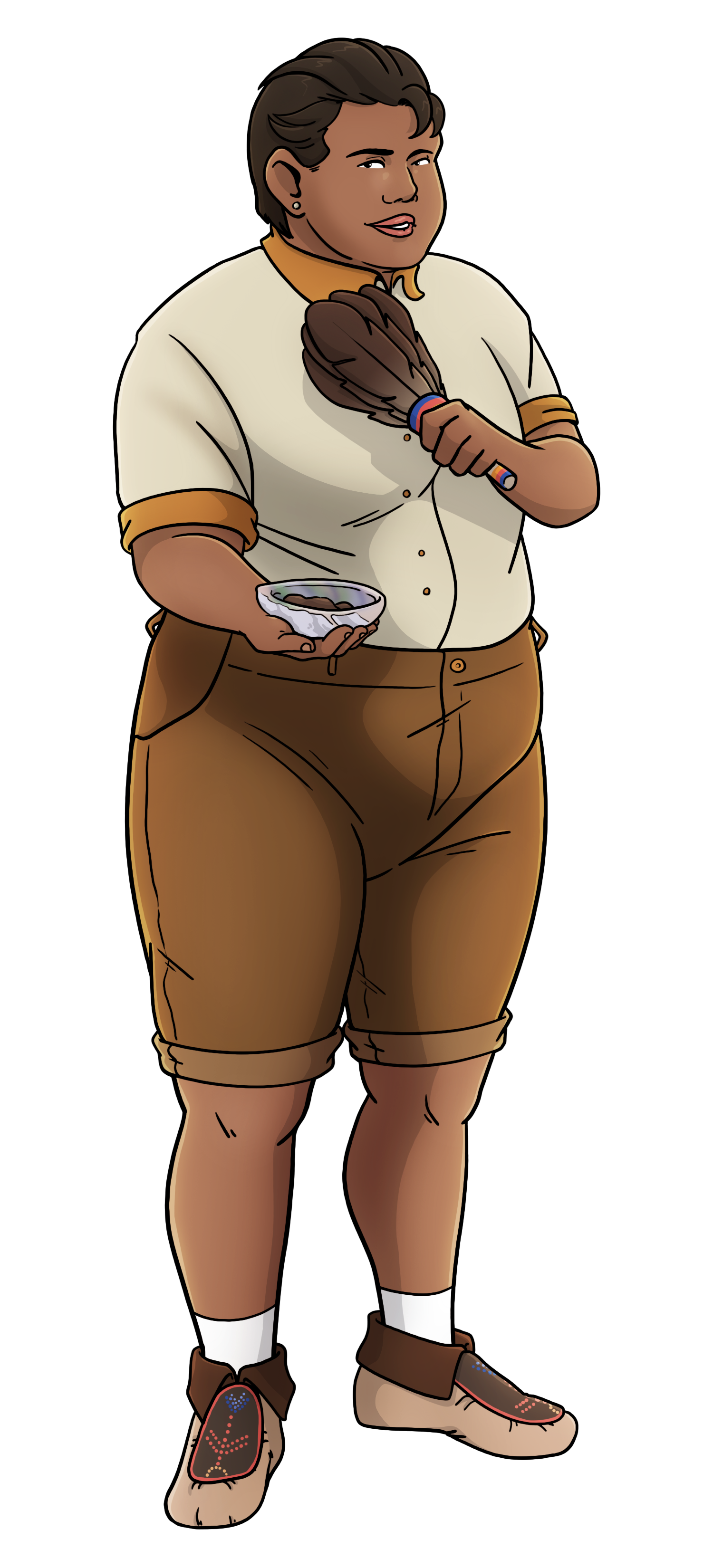
One of the most important sections to build cultural connectedness among outreach participants. This section has to reflect your own community and protocols: using cultural items outside of your own lineage may be inappropriate or even harmful. If you aren’t sure, ask an elder!
Examples of cultural wellness for outreach:
Traditional medicine for smudging*
Hand drums, clapper sticks, rattles*
Prayer or songs*
*specific to your community
More about herbal support, traditional medicines, and cultural ways in Lesson 6.