Section 3

IN THIS LESSON
Herbal & Traditional Medicines
Herbal and traditional medicines have an important role in our Native community to support cultural connection and healing in ways that other resources may not be able to provide.

Cultural Safety
Traditional medicines are those which have specific cultural practices and spiritual effects. Traditional medicines like white sage or angelica relate directly to the tribal peoples who have an ancestral relationship to them. These are powerful medicines which each have their own protocols.
-
Being from or included into practice with the people they belong to
Not misusing or abusing medicines
Avoiding over-harvesting; following cultural protocols for harvesting
Not selling traditional medicines for profit
Understanding the history and lineage of the medicine
Cultural safety is the foundation of consent, respect, and protection of cultural knowledge and practices. Working with anything cultural should come with a prioritization for safety and protection of those practices. Every community has its own protocols and practices for working with each medicine, and the protocols for traditional medicines are not to be treated lightly. However, they are medicine – people who are living in pain, trauma, navigating physical conditions, or who are feeling disconnected from their cultural ways can deeply benefit from programs incorporating traditional medicines and healing ways throughout all aspects of their program. We encourage all Native communities, whether tribal or urban, to incorporate traditional medicines in a respectful and culturally safe way.
-
Herbal medicines which are not tied to a specific cultural practice might be prepared in things like herbal teas, herbal salves, or as aromatherapy. These are options which help promote healing, comfort, and are a way to support people in connecting to plant-based medicinal supports when a lot of our people who are deep in chaotic use may not have access.
-
There is a difference between cultural, traditional medicines and non-cultural and/or non-Native plants. Culturally-based medciines or practices – such as smudging, using specific teas, or other plant medicines such as those considered to be hallucinogens – each come from the specific cultures and have specific protocols. Another important point here is the over-harvesting and appropriation of traditional medicines, either misusing or erasing the cultural and spiritual significance of the plants; this includes the appropriation of medicines from a culture outside the specific tribal background or community of the person using them. For example, white sage is traditionally from the southern California region, but due to widespread non-Native appropriation and over-harvesting, white sage is now endangered which directly affects cultural practices and sovereignty. Knowing about the lineage and history of each plant you are working with or interested in working with is necessary. Like with any cultural practice or relationship to the land, working with herbal medicines must be done with an understanding of the full context, history, and dangers of appropriation which come with them.
-
Herbal and traditional medicines as part of the healing process is something that other modalities can’t replicate. Prescription medications can’t offer the level of spiritual and cultural healing that traditional medicines provide [not to devalue the importance of medications, but to uplift the importance of traditional medicines]. There is no parallel or equivalent to these medicines, which means that integrating them into your program or practice or interpersonal relationships can help to support somebody in more wholly. Aside from herbal and traditional medicines, incorporating ceremony is another precious and important aspect of making sure people are able to access the spiritual healing they need. However, especially as ceremony is culturally-specific and often appropriated, we encourage anyone interested in incorporating ceremonial and spiritual support to work directly with cultural knowledge-keepers and elders to prevent replicating harmful practices.
Herbal Medicine Review
-
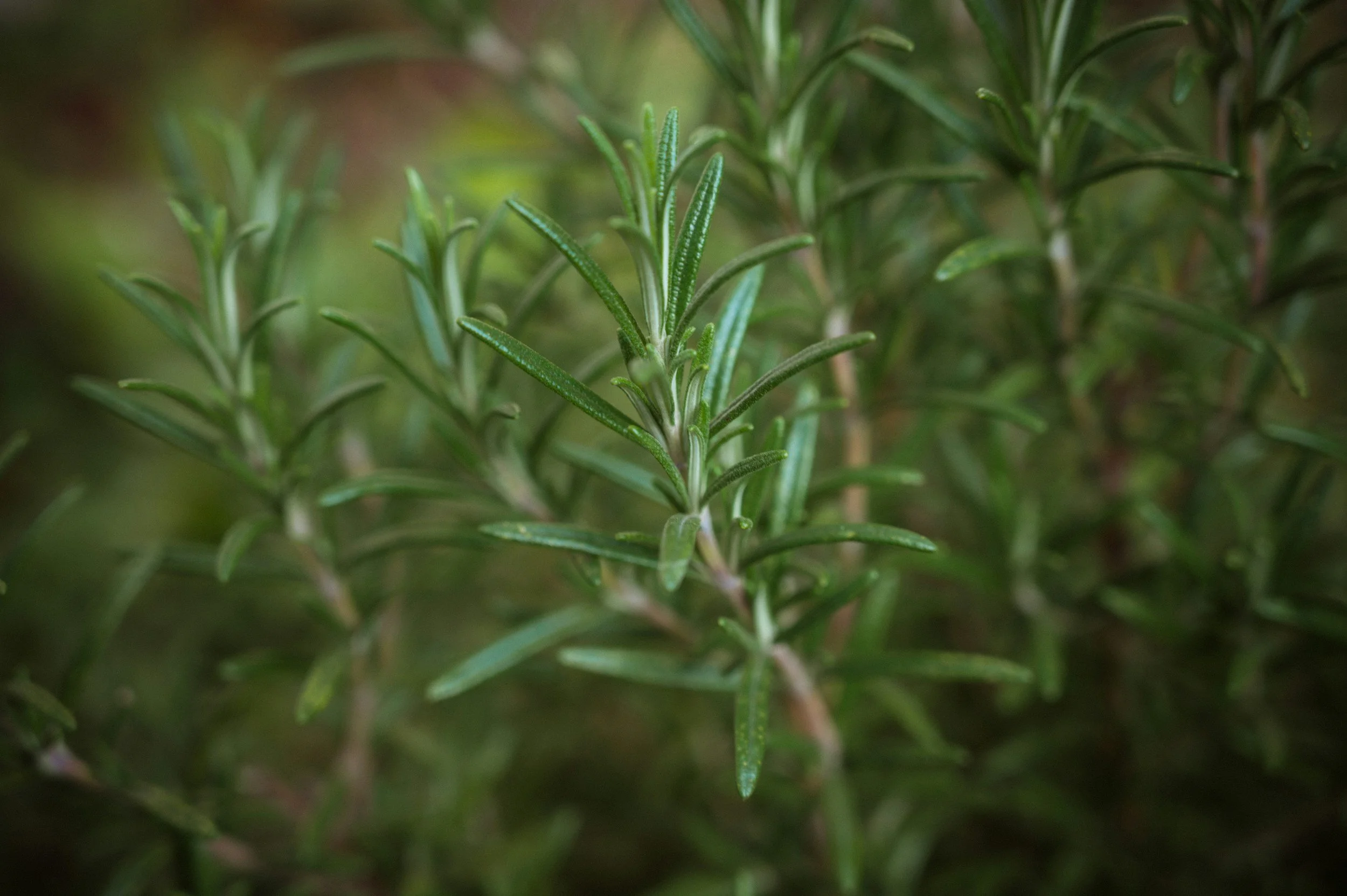
Rosemary is an easy-to-find herb accessible in grocery stores and easy to grow. Rosemary has medicinal properties related to increasing circulation, improving mental function, and moderating the brain’s “reward” center which can support with people trying to reduce their use of stimulants. Rosemary is helpful to recieve in meals, as a tea, or even an herbal-infused vinegar or honey. This plant is widely known for providing a sense of protection and guidance as a plant, with some cultures using rosemary in showers or baths as a way of releasing stress or difficult emotions. For people who are deeply embedded in a chaotic lifestyle and looking to make changes to their use, rosemary may be an excellent option to support in building up emotional strength and resiliency through challenging times.
-
This plant is widely known and widely loved, and is especially helpful for kids. Chamomile is a warming, soothing, and comforting plant – “like a hug in a cup”. Chamomile is mostly used as a tea, but can also be used in baked goods, or in a bath or herbal soak similar to rosemary. Chamomile can help soothe, relax, or feel emotional comfort. Chamomile physically can soothe irritated or itchy skin, which people may be experiencing due to the conditions of homelessness; those with skin conditions or skin irritation may find comfort with an herbal soak or foot bath, as long as they are able to fully dry afterwards and have dry clothes to wear afterwards to prevent injury from prolonged damp skin.
-
Milk thistle is known for improving liver function and helping to restore stress on the liver after chronic inflammation. Milk thistle is known to be a supportive herb for people after completing Hepatitis C treatment or for those who are in recovery from frequent alcohol use. This plant is often taken as a tea, but can also be found in a capsule or tablet form.
-
A plant which helps provide immediate relaxation and stress-relief. Lavender is typically used as an aromatic herb because most people like the smell, but it can also be used in an herbal salve, as a tea, or in baked goods. Lavender foot soaks can help soothe people who are often on their feet or who struggle with maintaining foot hygiene. Lavender salves topically can help with soothing irritated skin such as with scrapes or bruises, though this should be done with professional oversight to ensure safety. For people experiencing emotional stress particularly related to detox or withdrawal, lavender can be a massive support in helping someone feel more calm. Lavender and chamomile have quite different tastes, so people may like one over the other for the comforting tea effect.
-
This plant is most widely known for supporting the nervous system and for replenishing energy. The nervous system is the body’s communication and regulation center, but chronic stress or living with trauma can cause the nervous system to become stuck functioning on “high alert”. Milky oats taken as a tea or herbal-infused vinegar daily can help with deep restoration of our emotional and mental regulation. For people holding deep trauma, milky oats can help with replenishing the body’s ability to process and find a more stable emotional baseline.
Herbal Implementation
-
Some programs like to include tea at community events or mobile outreach. Knowing the audience of who generally comes to your site or events can help with formulating a tea plan or tea blend which can be most supportive. Chamomile is a simple, safe plant to start out with if you are unsure. Tea distribution usually involves having a big pot or hot water dispenser with herbs infusing in the water. Premade tea bags can also be good if you don’t have access to fresh or bulk herbs – premade bags are likely less cost-effective, but might be helpful if you want to offer multiple options for teas.
-
Cooking herbal-infused meals is another excellent way to include herbal supports within your program. As you will find in Section 3.5: Program Modalities, low-barrier care includes working in collaboration with other organizations which may include community kitchens or cooks. Meals can help support a person’s all-around health, and including herbs like rosemary into the cooking process is an excellent way of adding extra nourishment.
-
For programs that already offer things like wound and foot care, having herbal foot soaks can help greatly with people dealing with tired or sore feet, who have difficulty maintaining foot hygiene. Important to note here is safety in fully sanitizing all foot tubs, foot cleaning tools, or anything that comes into contact with multiple people between each and every use to reduce spread of things like foot fungus.
-
Some programs or individuals also like to create batches of things like salves or herbal-infused vinegars. These are more time-intensive and can be more costly, but help provide people longer-term herbal options that they can take with them and use regularly. Making small to-go bottles of things like a milky oats vinegar means that people can take a small amount daily to continue to get herbal benefits on days or weeks when programming isn’t accessible.